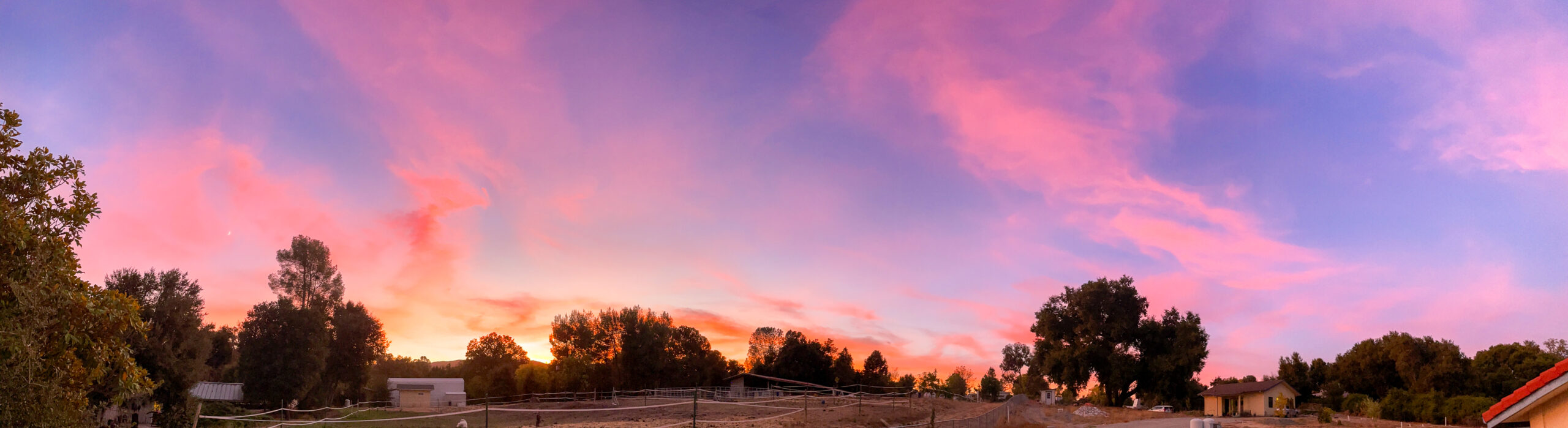
I live on a reasonably large property in an interior valley on the central coast of California. It gets hot in the summers and cold in the winters, but rarely too hot or too cold. When the folks on the coast are enjoying their thirtieth straight day of overcast 55-degree weather, we’re enjoying mid-80s sunshine, punctuated by bouts of the 90s or 100s.
And in the summertime, when the weather warms up and the birding gets boring (spring migrants gone, nesting birds quiet, fall migrants still a month or more away), I break out the macro photography and go bee hunting. I did it last July, and I did it again this weekend.
Because the site is larger than a typical suburban 1/4 acre, it’s a bit of a challenge to landscape it. I tend to prefer native plants as far as possible, which is why I’ve planted buckwheats, deer grass, manzanitas, and sages to go along with the existing very large oaks on the property. Finding plants to attract pollinators (butterflies, bees, birds, etc.) isn’t all that difficult, but finding ones that you can plant and forget about and that draw them in nearly year round is a bit more of a challenge. So despite my preference for native plants, I do have several provencal lavenders around.
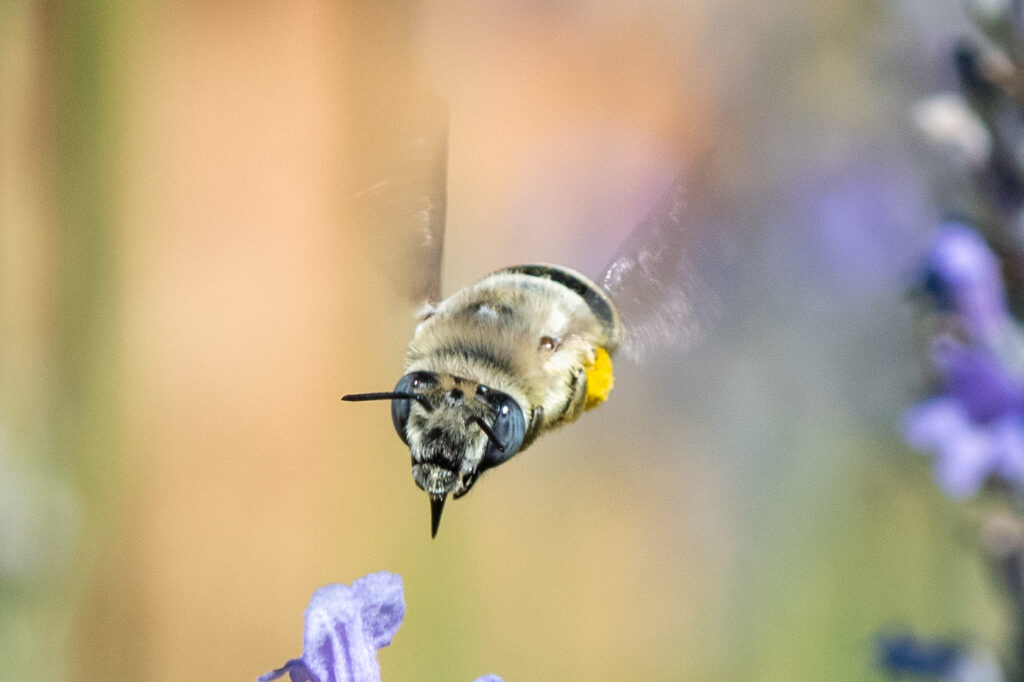
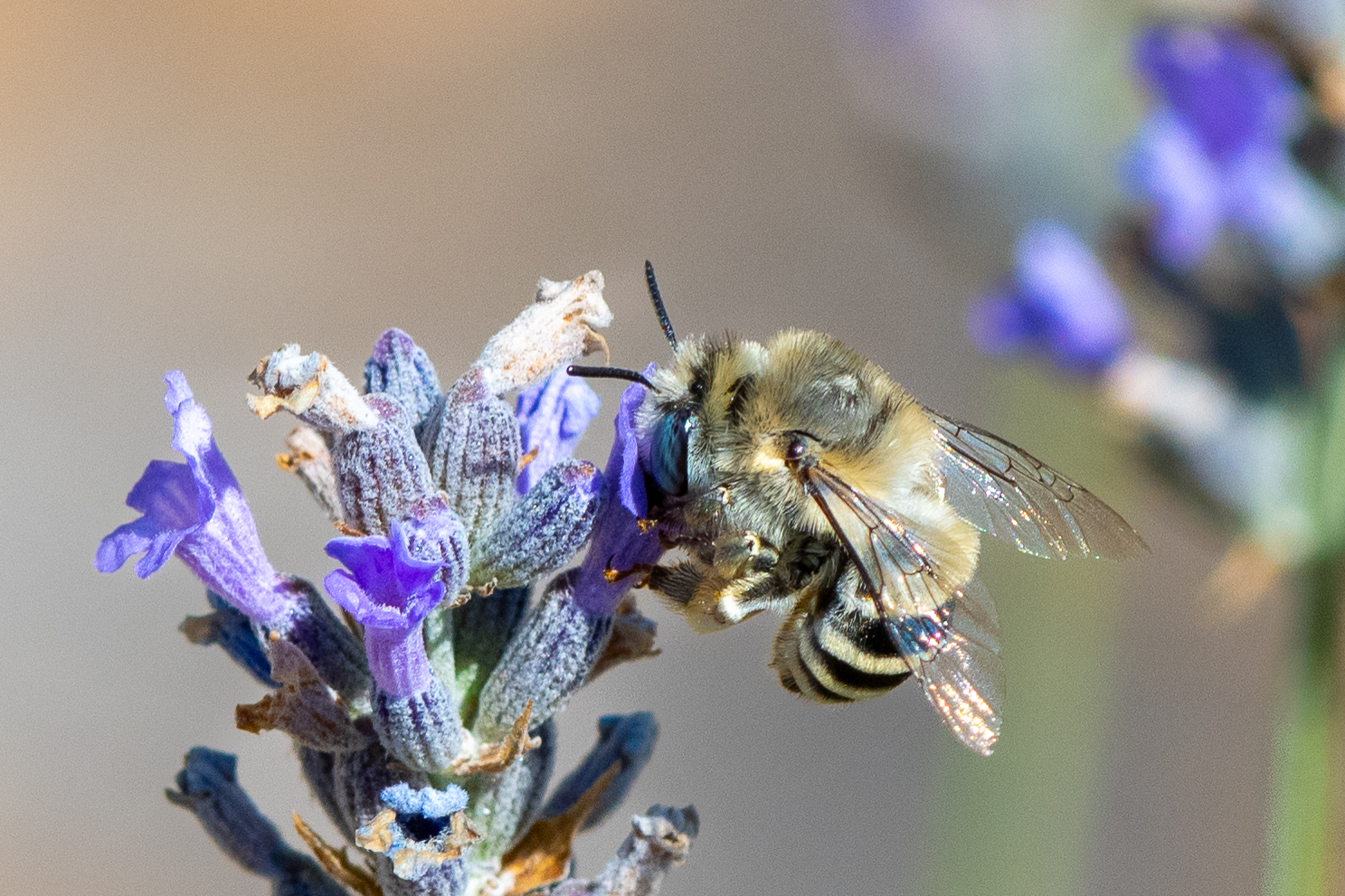
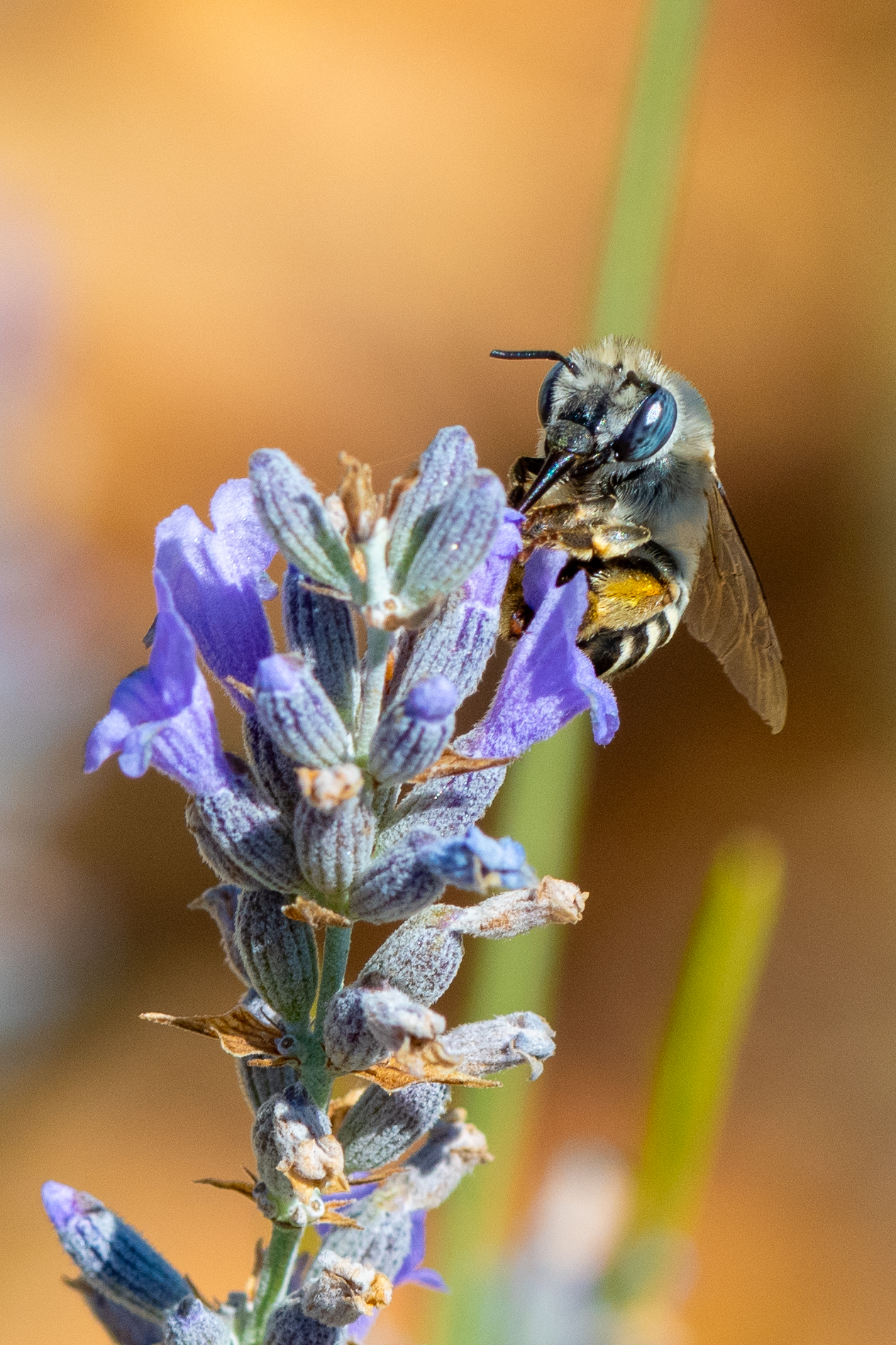
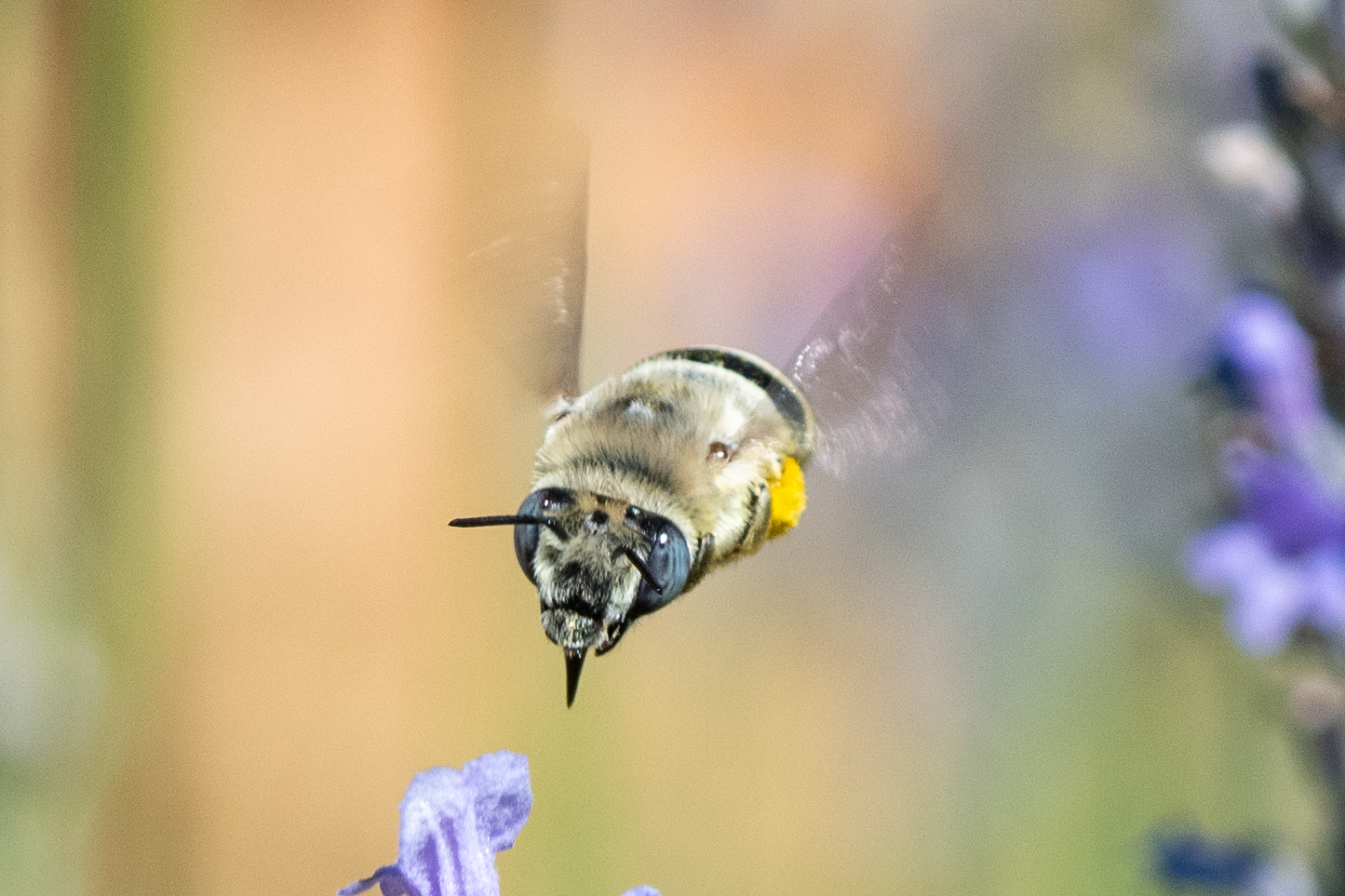
And it’s invariably those exotic lavenders that thrive so well in our Mediterranean climate that host the most bees. Last year I found several species in addition to the imported European honeybee that everyone’s so familiar with. But I never did update the post to include the species ID for one of the most interesting ones, which the folks at Bugguide were so quick to supply me with: Urbane digger bee, Anthophora urbana. You can distinguish it from a similar species in the same genus, A. californica, because urbana‘s eyes, when well seen on a live specimen, are more blue, whereas californica‘s are more green. (That said, this call is tough for me, both because these bees are fast af and because I think I’m pretty close to blue-green colorblind: most people will call something green that I call blue, and vice versa. When something’s very blue or very green, I have no problem, but in the middle ground, I get turned around.)
Here are a few shots of these little buggers from this morning that worked out nicely:
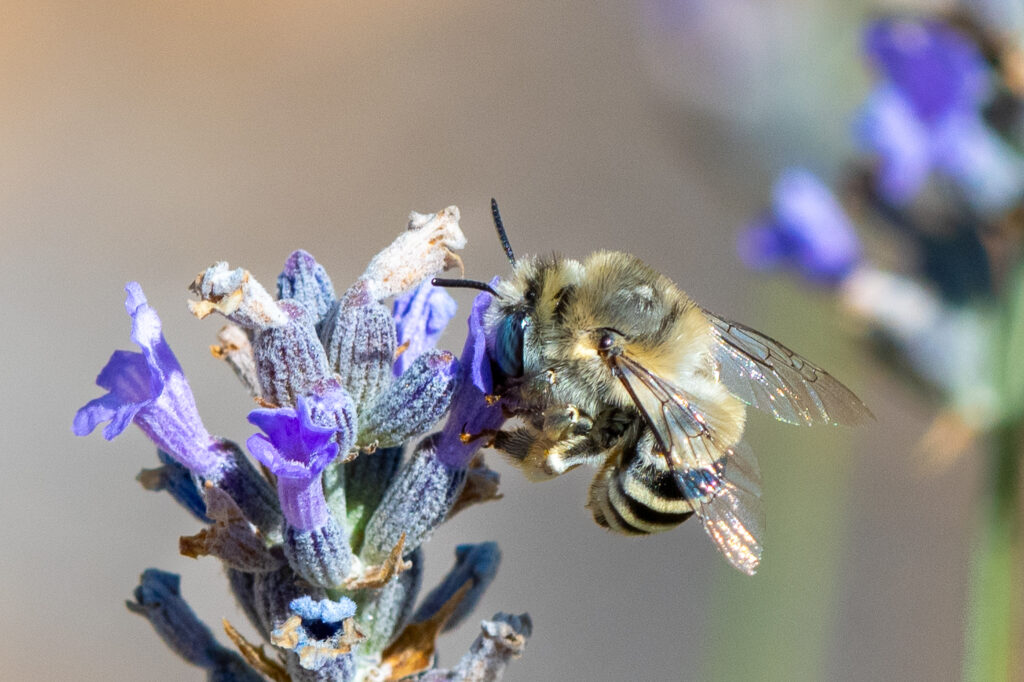
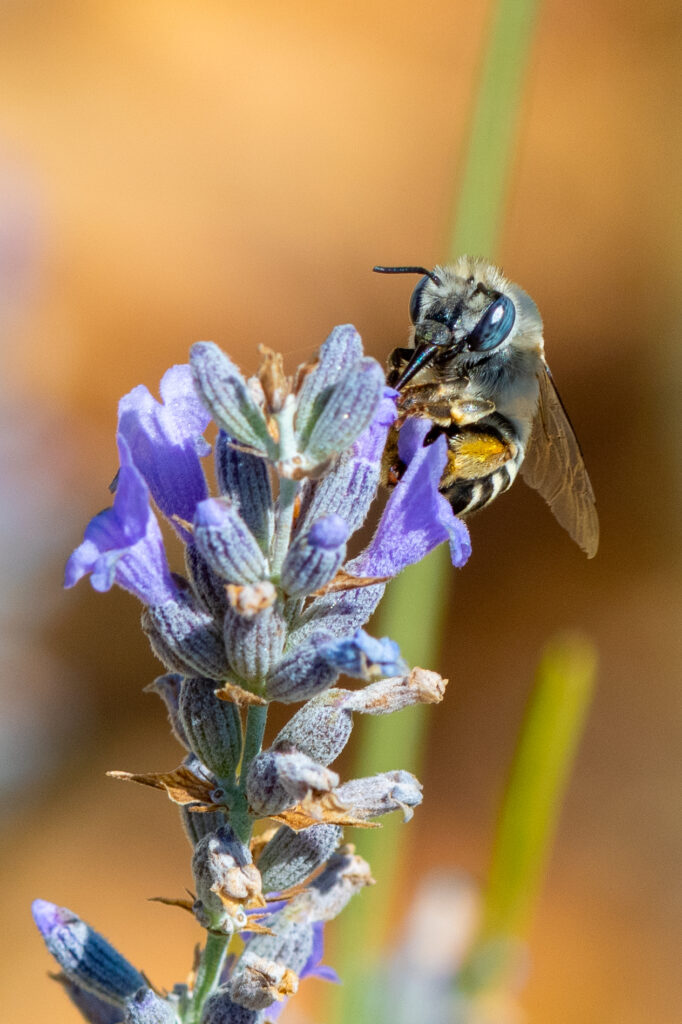
This ground-nesting bee is native to a wide swath of the western United States and Canada, from southern Saskatchewan to the southernmost tip of Texas, all of Baja California and much of northern Mexico. It favors drier sites: in my handbook, Carrill and Wilson’s Common Bees of Western North America, the authors note that it’s found “usually in lower xeric regions but can be found in some high-elevation areas.”
The entire genus is known for its ability to frustrate photographers. In the words of Carrill and Wilson, it is composed of “conspicuous fast-flying bees, medium to large in size.” I would emphasize the fast-flying part of that description. It’s a joy to spend time lining up the perfect portrait of Apis mellifera on a lovely flower; it’s a thrill to catch a decently focused snapshot of Anthophora urbana.
As far as size goes, In my experience, the honeybee is a bit longer but much skinnier and FAR slower-moving. Typically I know I’ve reached focus when I can clearly see the segmentation of the antennae. On these bees, I’m happy if any part of the bee is in focus. They move so quickly that I break the cardinal rule of macro photography and rely on autofocus rather than manual focus just to have a chance.
All told, it’s nice to take a bit of a break from wandering all over creation to chase birds, when I can just lure the bees right into my front yard, where all I have to do is exercise some patience and practice my photography skills.
And, because I like the way WordPress displays galleries in and of itself, it doesn’t facilitate deeper dives into the photos, so here’s another type of gallery with the same images but clickable for more details.
Nice photos, Ben! I’m so glad you are photographing and documenting the native bees in the area.
Thanks, Judy! Oh, that reminds me–I’d better upload those photos to iNaturalist. I use Bugguide as well, which does a great job, but iNaturalist has so many more users it makes sense to cross-post.